
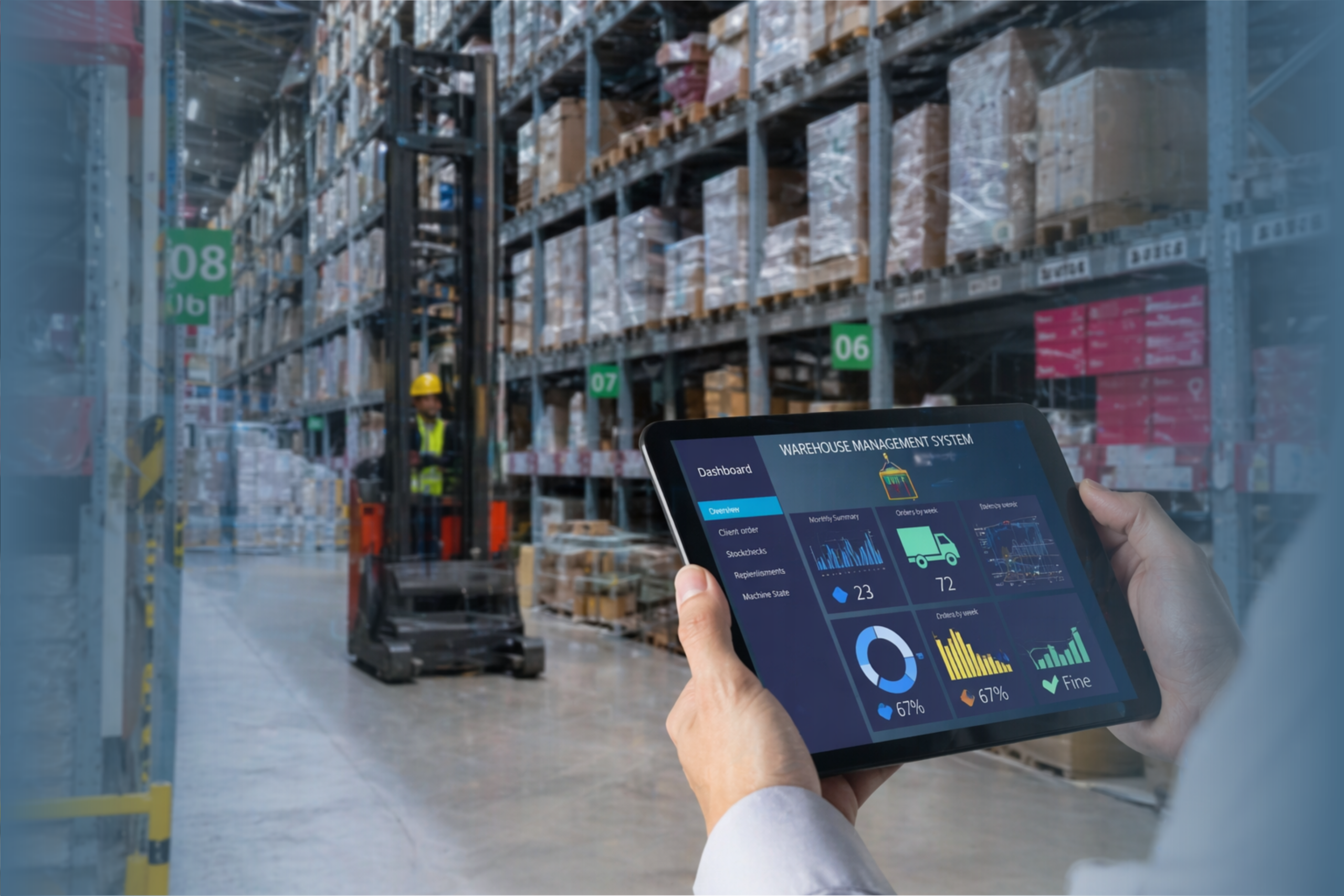
The global supply chain is becoming increasingly volatile. From unexpected port congestion to shifting consumer demands, logistics companies need more than just “efficiency”—they need foresight. This is where Digital Twins in logistics come into play, moving from a conceptual tech-trend to a critical operational tool.
But what exactly is a digital twin, and how is it shaping the logistics of tomorrow?
What is a Digital Twin?
In simple terms, a Digital Twin is a highly complex virtual replica of a physical object, process, or an entire supply chain. Unlike a static 3D model, a digital twin is powered by real-time data from IoT (Internet of Things) sensors, GPS, and warehouse management systems.
It doesn’t just look like your logistics network; it behaves like it.
How Digital Twins are Transforming Logistics
The implementation of Digital Twins in logistics allows companies to experiment in a risk-free virtual environment before making physical changes.
1. Warehouse Optimization
Imagine being able to test a new warehouse layout or a different picking strategy without moving a single shelf. Digital twins allow managers to simulate worker movements and robotic paths to identify bottlenecks. This lead to:
Improved floor space utilization.
Faster order fulfillment cycles.
Reduced energy consumption within the facility.
2. Predictive Risk Management
The future of logistics is proactive, not reactive. By feeding real-time weather data, traffic patterns, and geopolitical news into a digital twin, companies can “see” a disruption before it happens. If a storm is brewing over a major shipping lane, the digital twin can automatically simulate alternative routes to find the most cost-effective detour.
3. End-to-End Visibility
Transparency is a major challenge in modern logistics. A digital twin provides a “single source of truth.” From the raw material supplier to the final mile delivery, every stakeholder can see the status of goods in a shared virtual space, reducing errors and administrative delays.
The Road to Implementation
While the benefits are clear, moving toward Digital Twins in logistics requires a robust digital infrastructure. Companies must invest in:
IoT Integration: Sensors to provide the “live” data feed.
Cloud Computing: To process the massive amounts of data generated.
AI and Machine Learning: To run the simulations and provide actionable insights.
Conclusion: A Competitive Necessity
As we look toward the future, the gap between companies using real-time simulations and those relying on legacy spreadsheets will only widen. Digital Twins in logistics offer the agility and precision required to thrive in a complex global market.
By adopting this technology, logistics providers aren’t just following a trend—they are building a resilient, data-driven foundation for the decades to come.
If you would like to learn more about our logistics services, please visit our Services page:
https://ictl-belgium.com/services/